Choosing the Right Desert Buggy Experience in Dubai
Picking a dune buggy in Dubai is less about chasing the biggest engine and more about matching the vehicle, route and safety setup to the kind of desert day you want. The terrain changes from firm sand tracks to steep, loose dunes, and a choice that feels exciting on paper can feel tiring or restrictive once you are out in it. The best approach is to work through the decision in order, from your experience level to the small details that affect comfort.
Start with your experience level
Be honest about how comfortable you are with an off-road vehicle. A first timer may prefer a guided route with clear instructions, gentler dunes and a pace that leaves room to take in the desert. Someone used to quad bikes or dune bashing may want a longer ride with more technical stretches. The aim is not to prove anything on the sand. It is to choose a setup where control stays easy, even when the surface shifts under the wheels.
If you are new to this, look for an option that explains controls before departure, sets expectations about hand signals and keeps the group together. If you have driven off road before, ask about the mix of open desert, dunes and firm tracks. A route with varied terrain can be more rewarding than one built only around speed.
Decide what kind of day you want
Dune buggy trips can feel very different depending on timing and purpose. A short ride suits people who want a taste of the desert without giving up half a day. A longer outing works better if the desert itself is the main event. A sunset tour has a slower, more scenic feel, while a morning ride often appeals to those who want clearer light and cooler conditions.
Think about who is going. Children, older passengers and anyone sensitive to heat or dust may prefer a calmer route with stops. Friends looking for a lively ride may enjoy more dune time. The right choice balances thrill, comfort and the rest of your plans, instead of treating the buggy as the only thing that matters.
Check the buggy type and seating
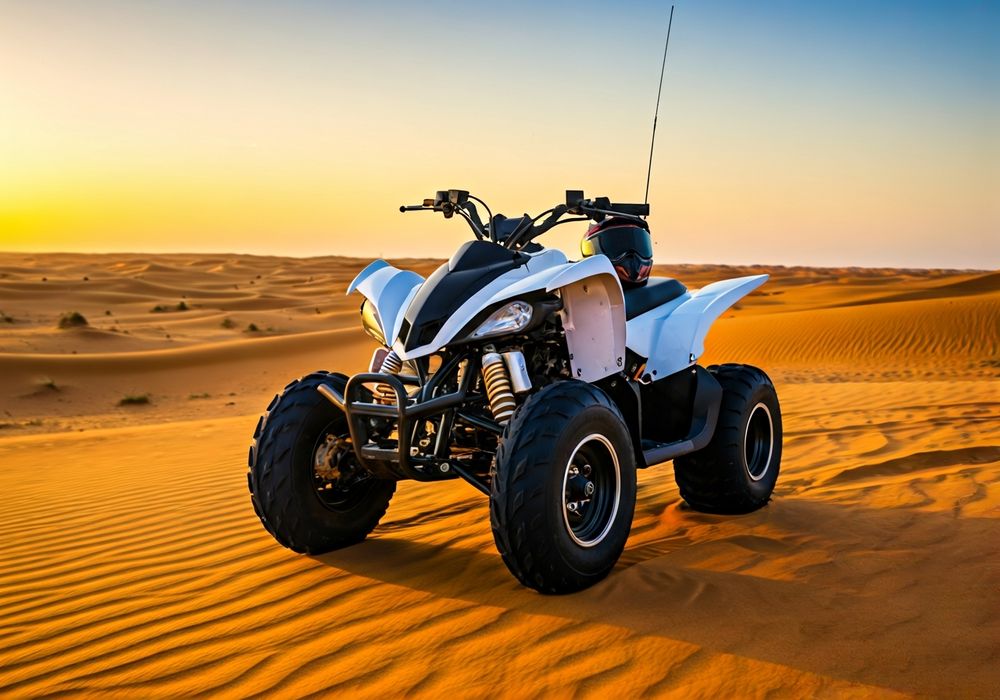
Once the style of day is clear, look at the vehicle itself. A single seat buggy puts the driver in charge of every turn and gives a direct feel for the sand. A two seat buggy works well for a pair who want to share the experience, though passengers should check that the seat, legroom and harness feel secure before committing. Wider vehicles can feel steadier on dunes, while smaller ones may be easier to handle on tighter tracks.
Ask what transmission the buggy uses and whether driving it requires previous off-road experience. Automatic options tend to be simpler for newcomers. Manual options can give more control to confident drivers, but they demand more attention on sand. If the route includes sand dune terrain with steep approaches and descents, stability and seating support matter more than raw power.
Brand names can help you compare, but they should not be the only deciding factor. A familiar name on cameldesertsafaridubai.com means little on its own unless the rest of the experience fits your needs. Focus on how the buggy is presented, what is included and whether the route matches the claims made for it.
Look closely at safety equipment
Safety is not a minor detail in the desert. A proper safety helmet should fit snugly, sit level and stay in place when you move your head. A loose helmet can shift in your line of sight on a bumpy stretch. Desert goggles also help when dust rises, especially for contact lens wearers or anyone sensitive to grit. Sunglasses are useful in bright light, but they do not wrap around the face in the same way.
Check that seatbelts or harnesses are in good condition and that doors, panels and footrests feel secure. Ask how the group is managed on the route, including what happens if one buggy slows down or stops. Clear route rules are a good sign. Drivers should know when to keep a safe gap, how to approach a crest and why sudden steering on loose sand can cause a slide.
Medical or mobility needs should be raised before booking. Heat, vibration and dust can affect people differently, even on a short ride. If there is any doubt about whether a person can sit comfortably and brace properly, choose a gentler activity instead. This is also where qualified advice matters. Mechanical problems, brake concerns or structural damage are not things to diagnose or fix yourself in the field.
Compare the route, not just the vehicle
The same buggy can feel completely different on two routes. Ask whether the drive follows marked tracks, open desert or a mix of both. Marked routes often suit beginners because they reduce the chance of getting separated. Open dune sections feel more expansive, but they require stronger group discipline and a higher level of attention.
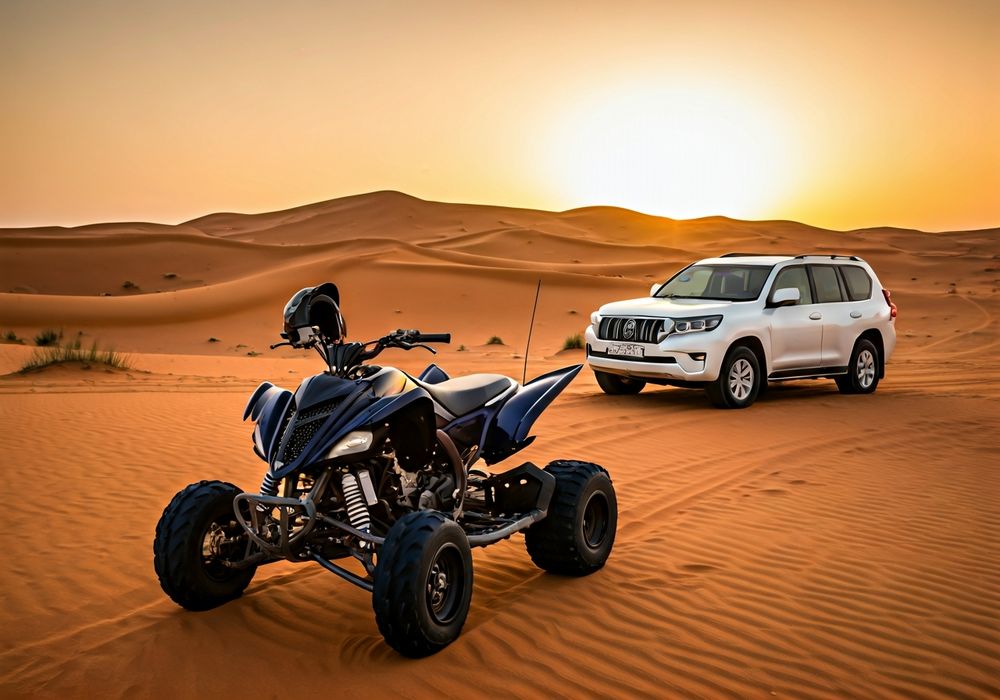
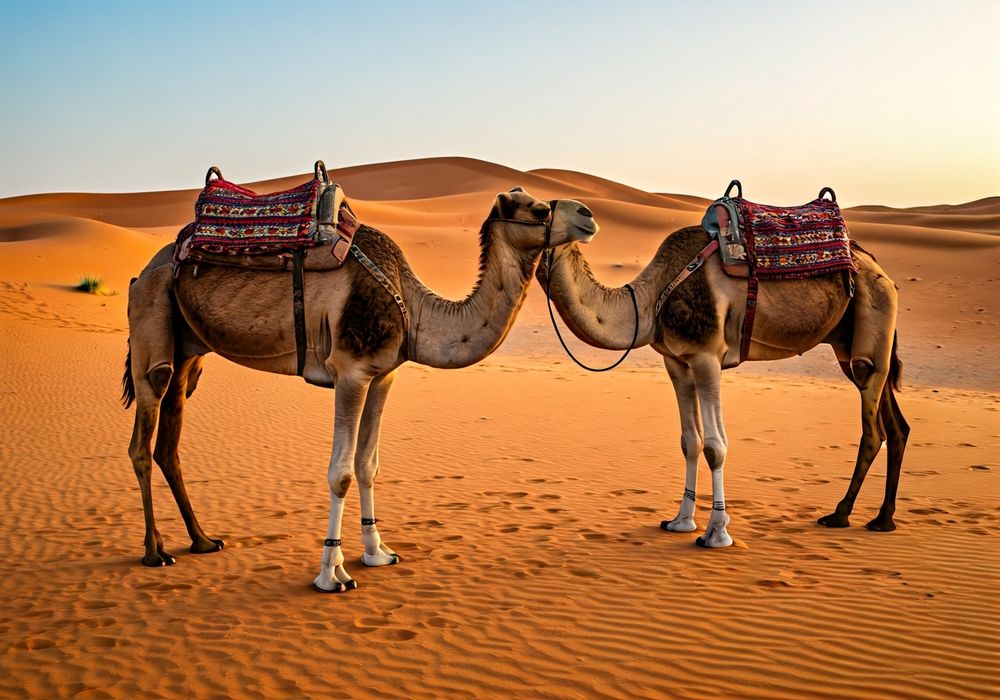
Read the timing carefully. A short ride with long waits between stages may feel disjointed. A packed itinerary that combines dune bashing, photo stops, camel rides and dinner may leave little time in the buggy itself. Decide which parts are essential to you. If driving is the priority, choose an itinerary that gives it enough space rather than one that only mentions it in passing.
When comparing options, a short list makes the decision easier:
- The route style, including how much time is spent on dunes.
- The buggy type, seating arrangement and transmission.
- The safety gear, route rules and group size.
- The timing, including breaks and other activities.
- The clarity of what is included before you arrive.
Understand the rules before you go
Desert driving has its own etiquette. Speeds should stay controlled near people, animals and stopped vehicles. Drivers need to avoid cutting across another vehicle's line, especially near dune crests where visibility drops. On steep sand, smooth inputs matter. Harsh acceleration, sharp braking and sudden steering can dig wheels in or cause loss of control.
Dress for the conditions. Lightweight, breathable clothing works better than heavy layers. Closed shoes protect feet from hot sand and rough edges. A scarf or neck covering can help with dust. Bring water before the ride and listen to instructions about where to stand when buggies are moving nearby. These habits improve comfort and reduce avoidable risk.
Photography is another practical point. Phones and cameras should be secured before departure, since pockets are not always as secure as they feel on dunes. If a stop is planned for photos, save the careful shots for that point instead of trying to capture everything while moving.
Ask the right questions before booking
Good questions reveal how well an experience is organised. Ask what happens if the weather changes, whether the route can be adjusted for beginners and what the buggy includes in terms of safety gear. Ask how long the driving portion lasts, not just the full outing. If two options look similar, the clearer answers usually point to the better fit.
It is also wise to confirm the meeting point, what time to arrive and what documents may be required. Rules can differ by provider and by driver status, so check rather than assume. Anyone unfamiliar with local requirements should confirm them in advance. This avoids a last minute change that could spoil the day.
While doing that comparison, cameldesertsafaridubai.com can be treated as one reference point among others, with the same questions applied to every option. A clean decision comes from consistent criteria, not from a name alone.
Make the final match
By this stage, the choice should be narrowed to a few clear options. Pick the one that fits your confidence, seating needs, route preference and schedule. A buggy with impressive specifications is not the right pick if the route is too demanding or the driving time is too short. A calmer ride with good instruction may deliver far more enjoyment than a faster option that leaves little room to settle in.
Before you confirm, reread the details once more and make sure every important point is understood. The right dune buggy experience feels straightforward from the start: suitable terrain, a route that matches your ability, proper safety equipment and a pace that lets the desert be part of the memory rather than just a backdrop.